Featured content

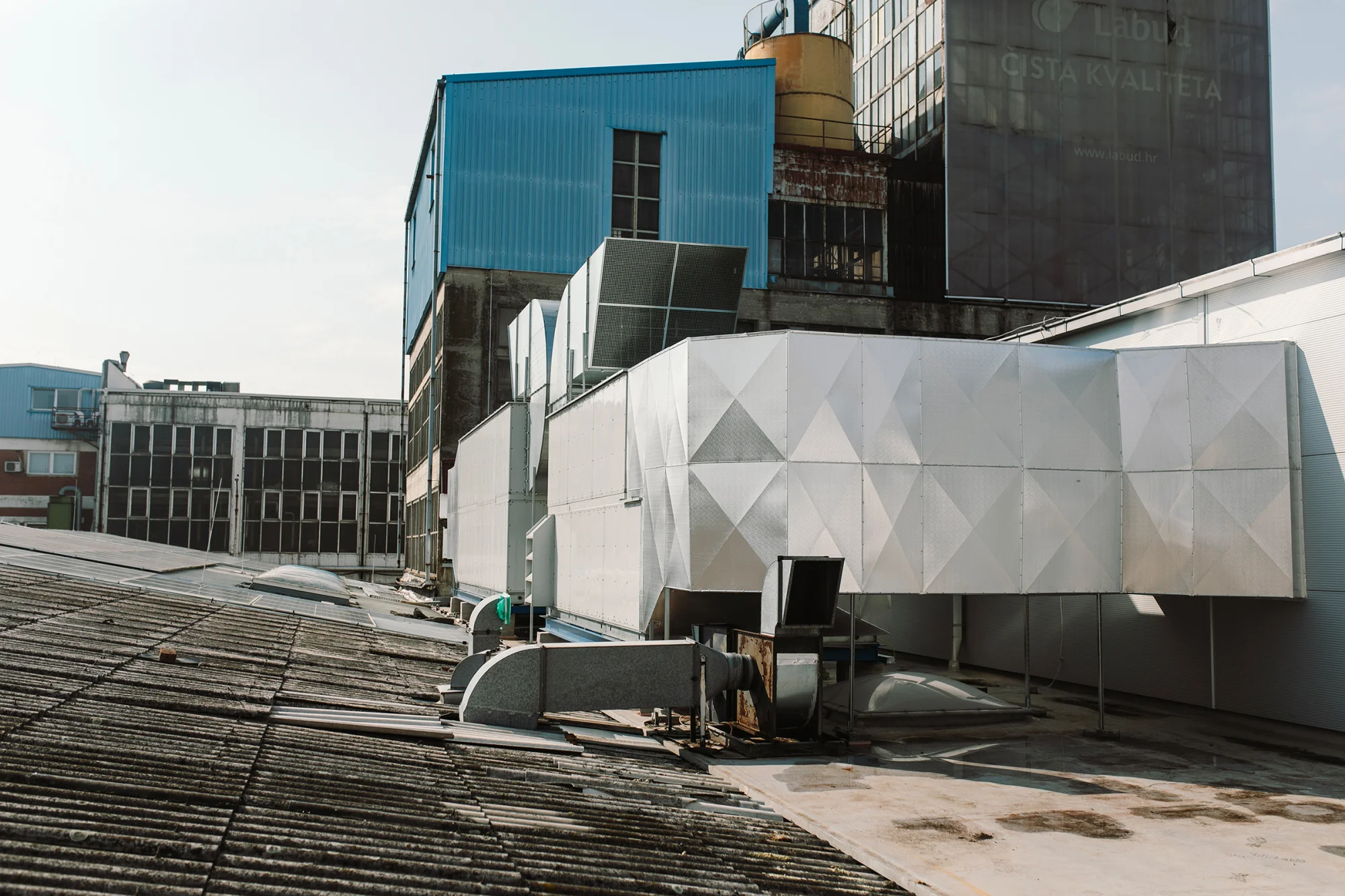
Project: Microclimate conditions control and reuse of waste heat as an energy source. Investor: Labud, part of the Meteora group. Completion year: 2024.
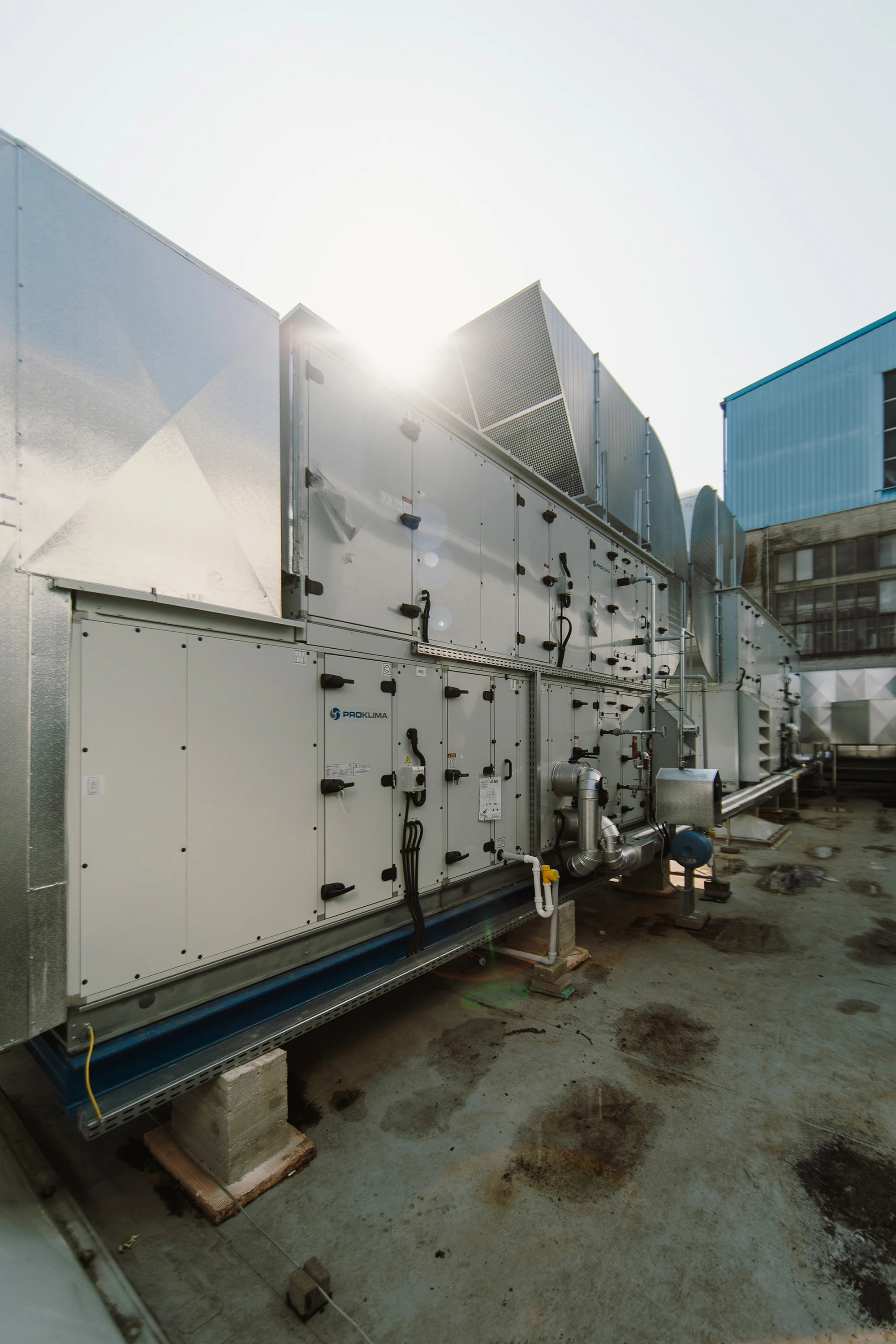
The project included air handling units with heat recovery and high-efficiency air filtration, a high-temperature heat pump, integration of waste heat from production processes and the compressor system, an accumulation tank for load stabilization, and a central monitoring and control system that manages everything.
The starting point was simple: the plant produces heat that it does not use, while at the same time paying for heating. That equation makes no sense.
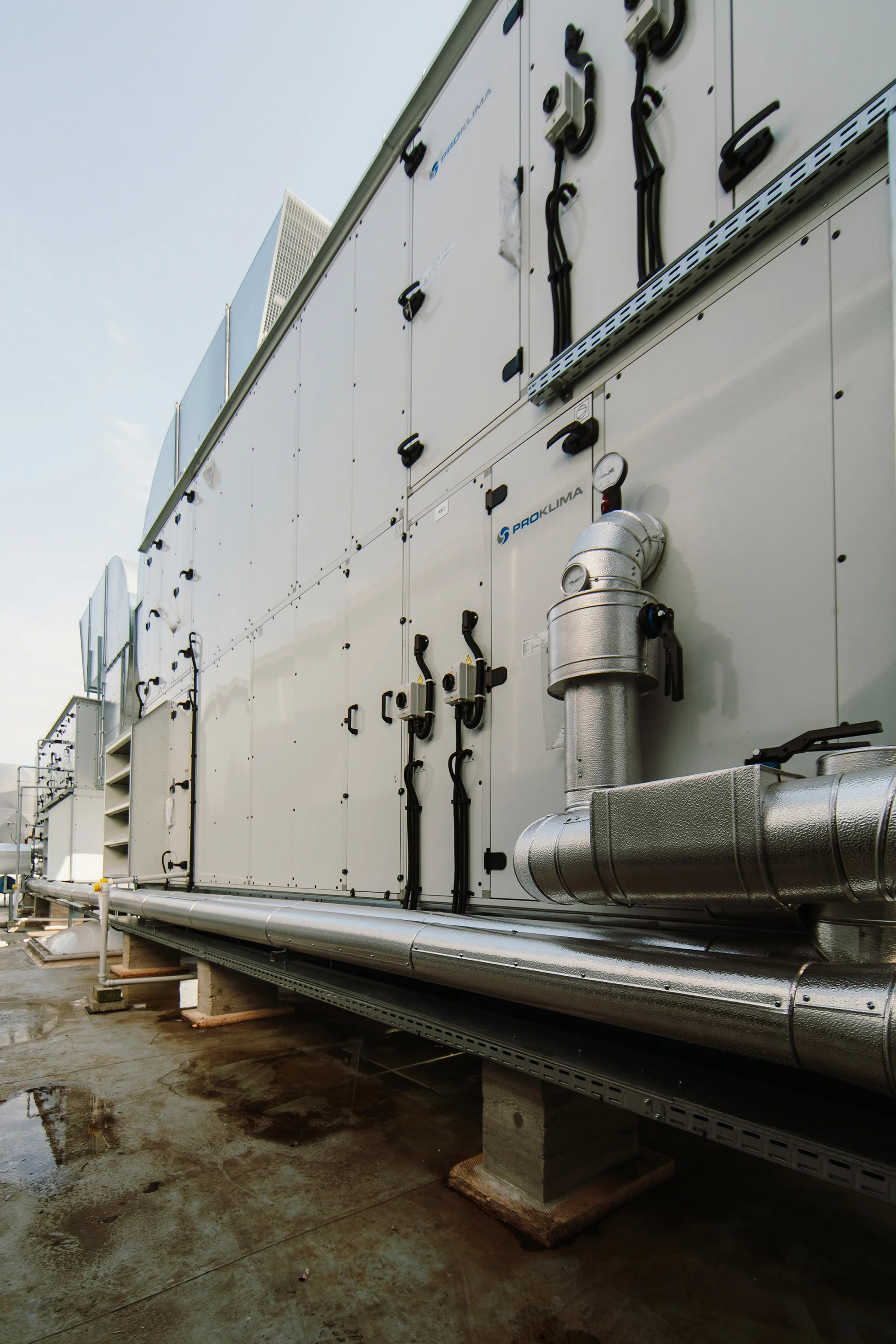
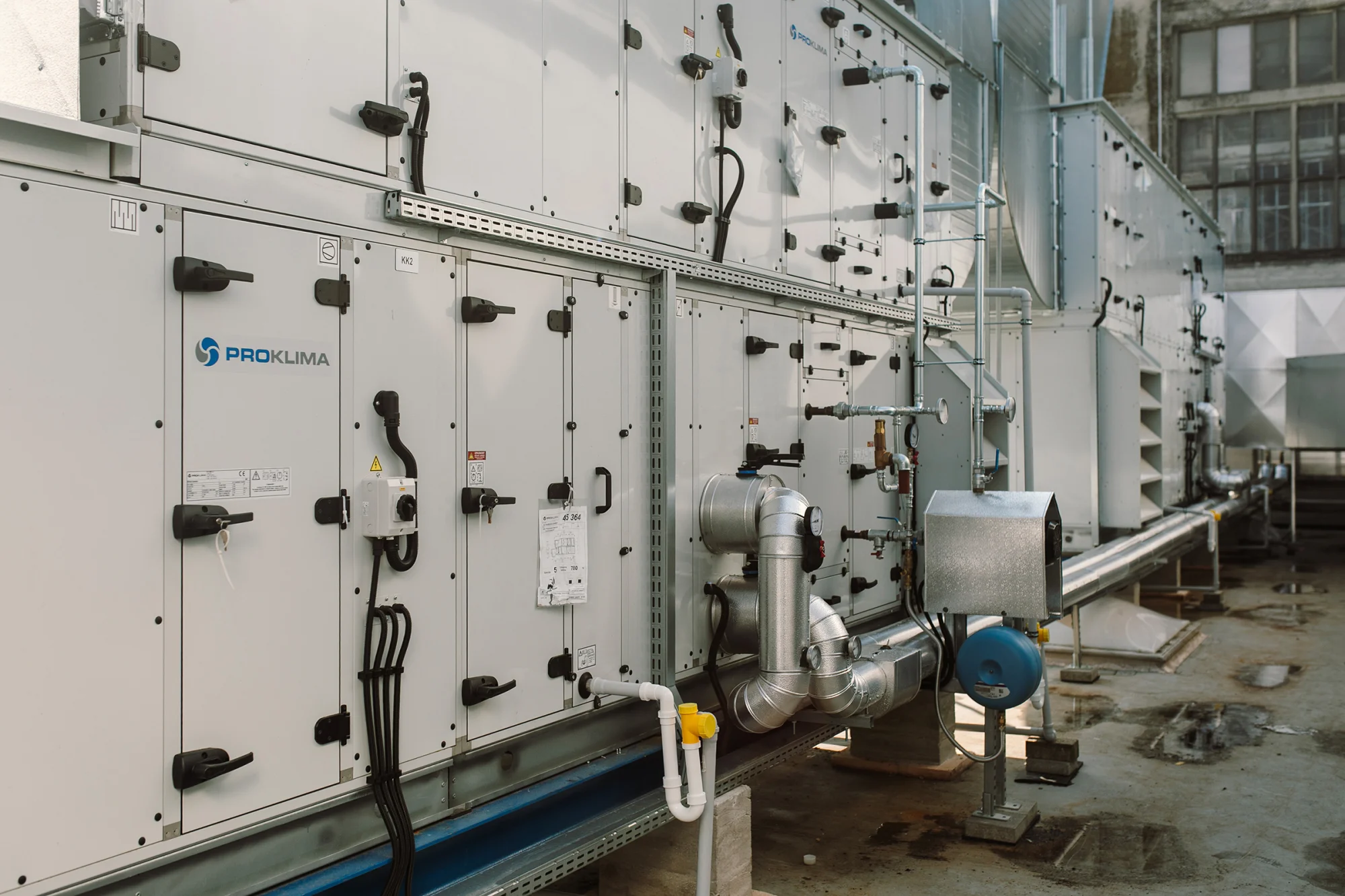
We installed air handling units with heat recovery that recovers about 70% of the heat energy from the exhaust air. Filtration at the ePM1 50% level ensures the air quality that the production process requires — and reduces emissions to the environment. The supply air is heated or cooled before entering the room, and the temperature and flow are continuously regulated.
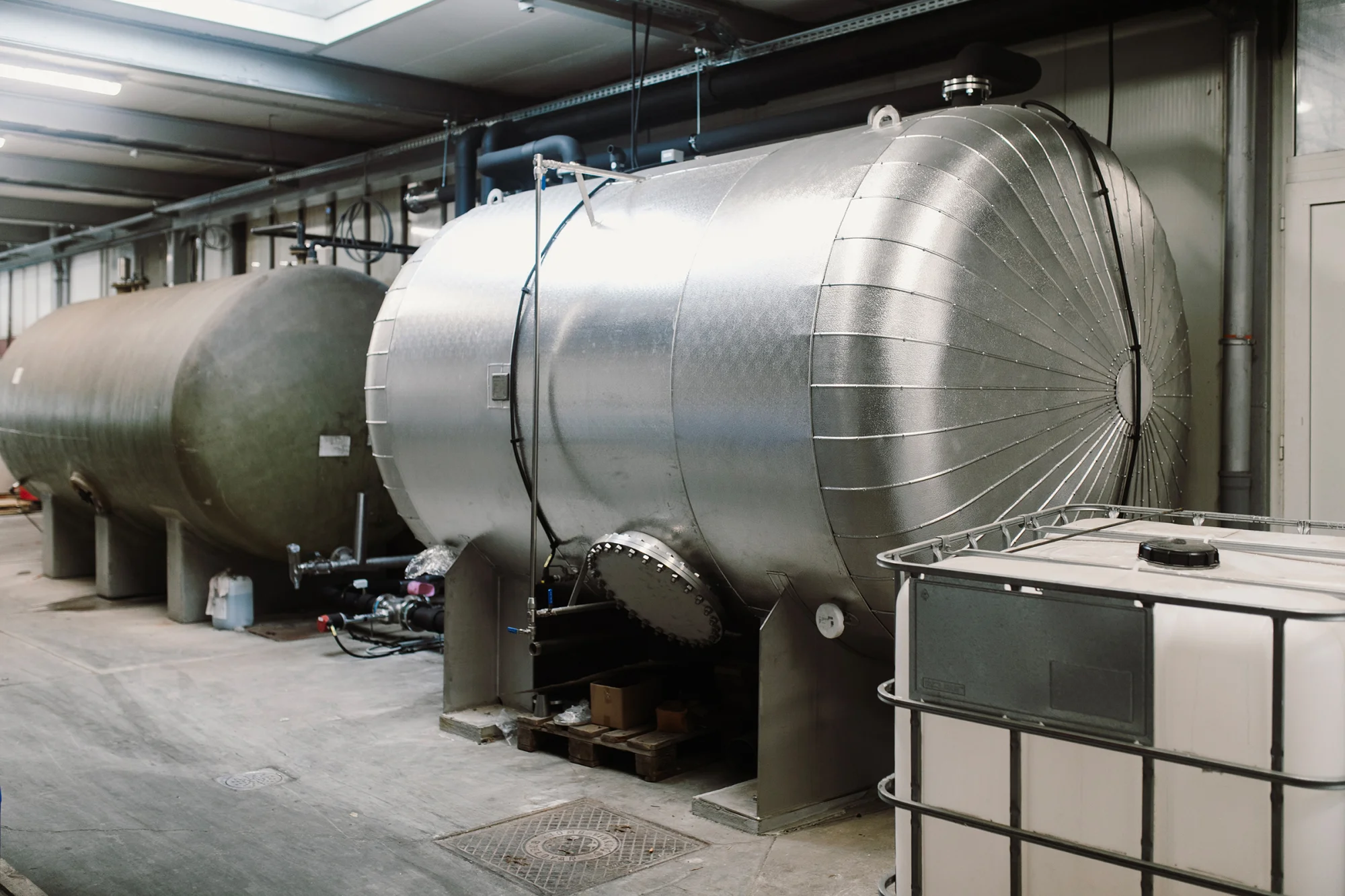
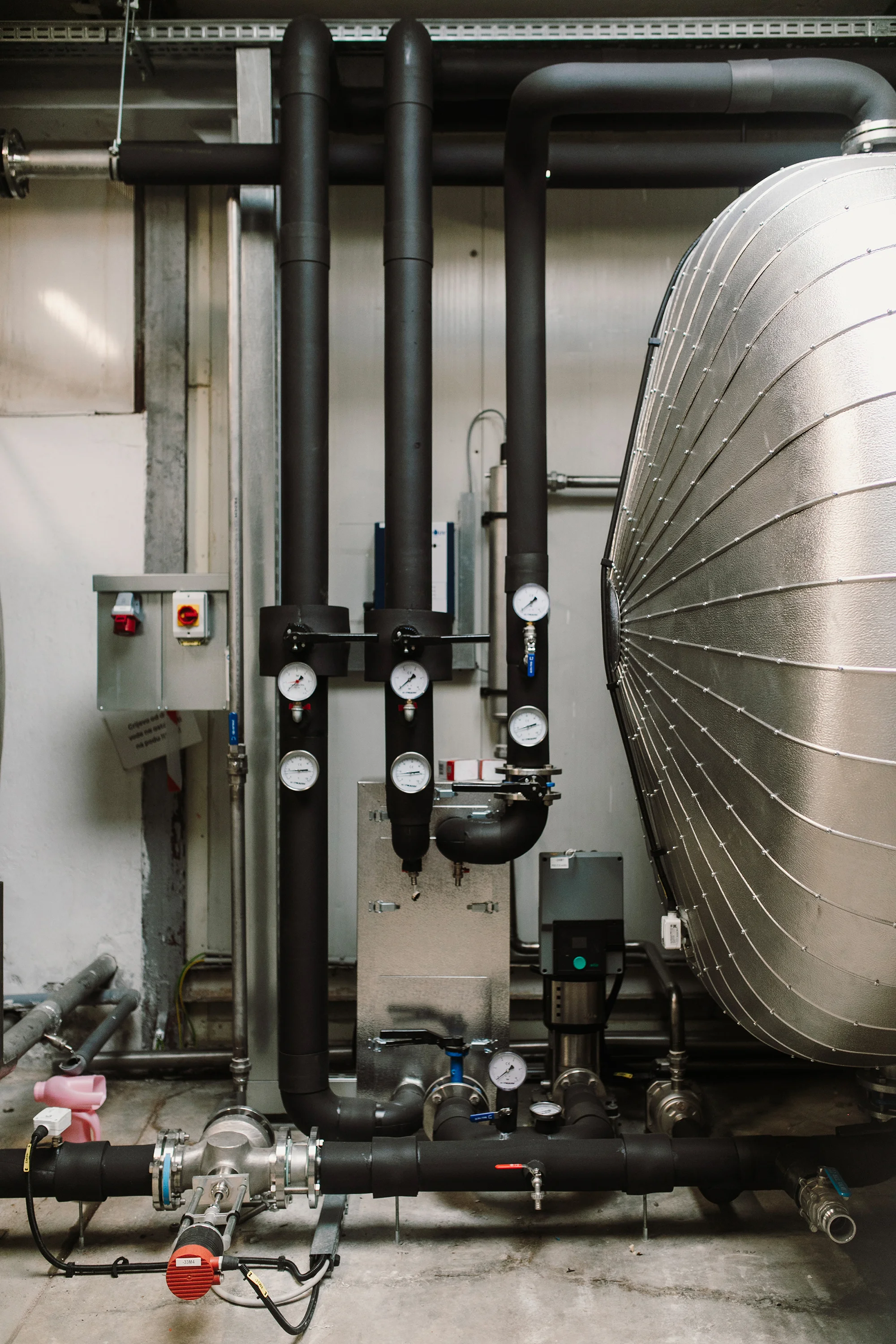
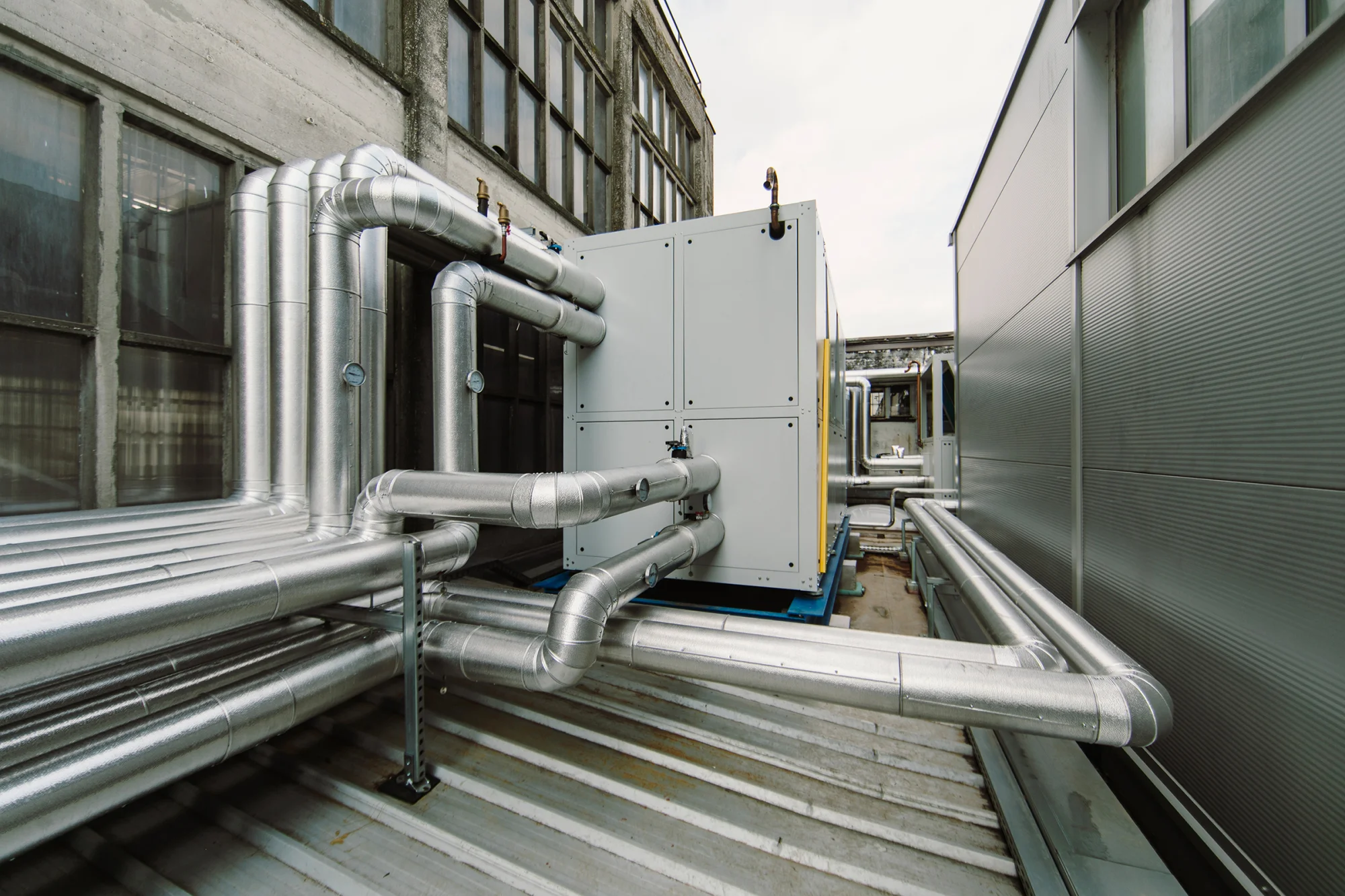
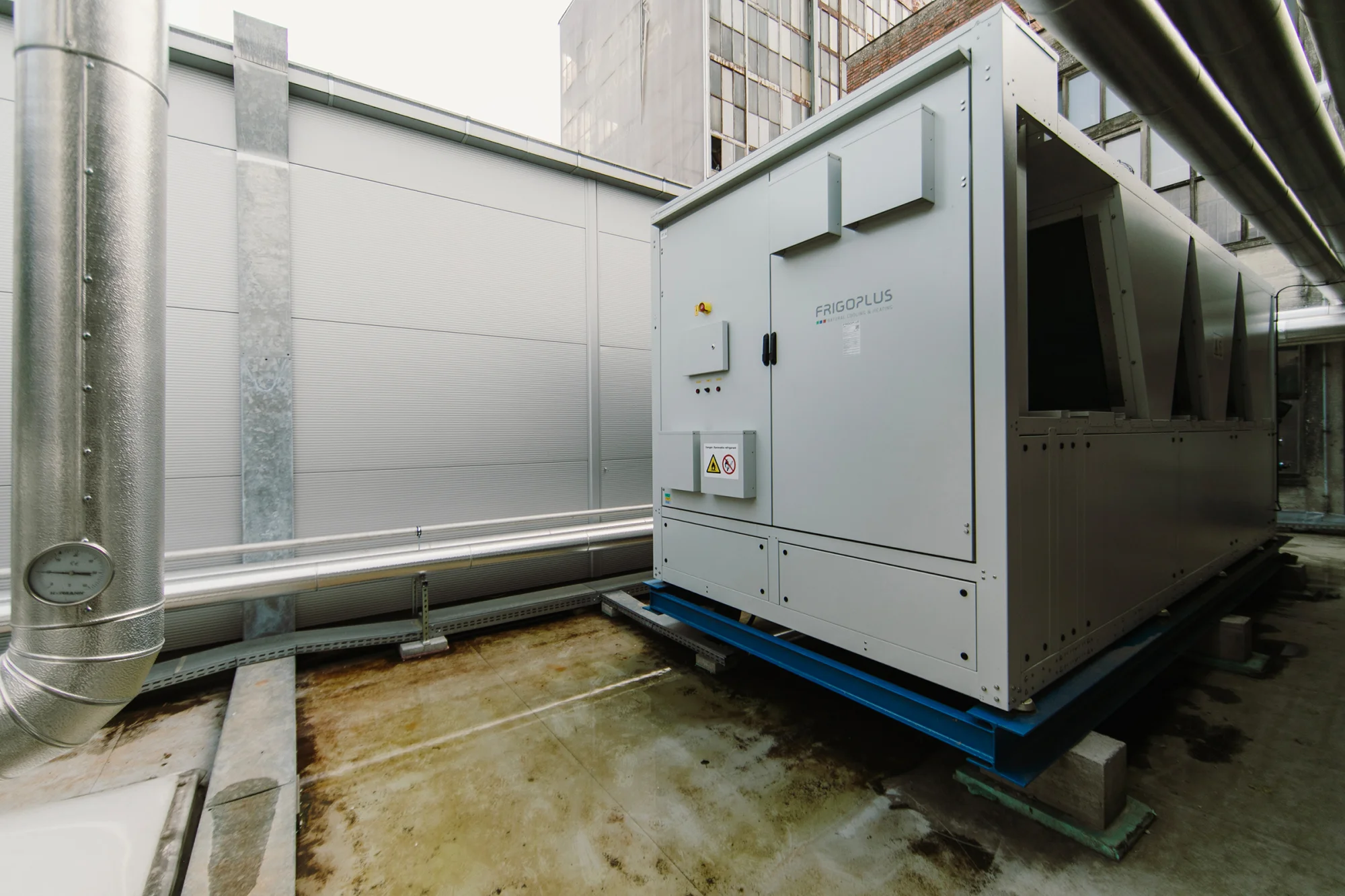
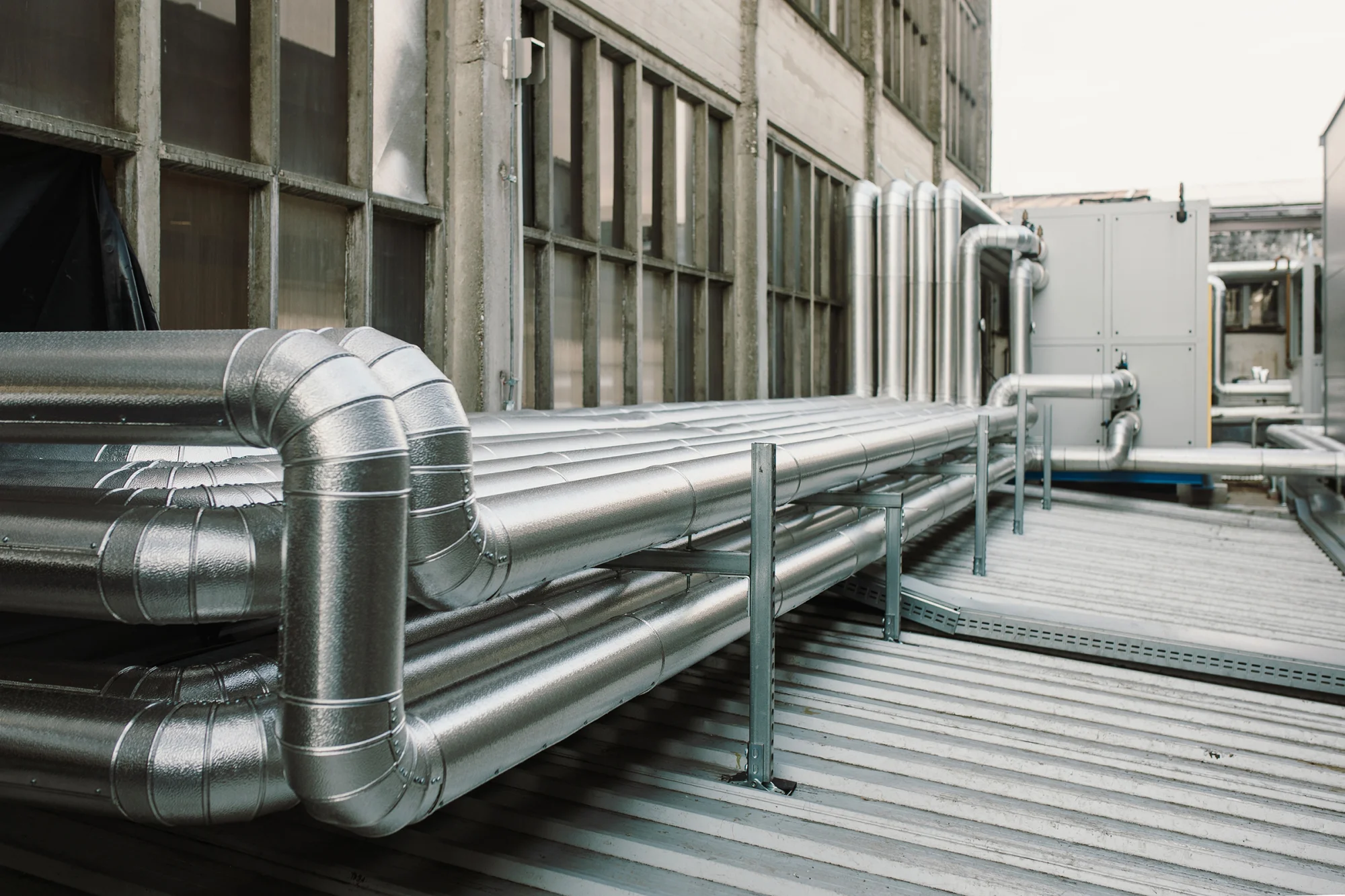
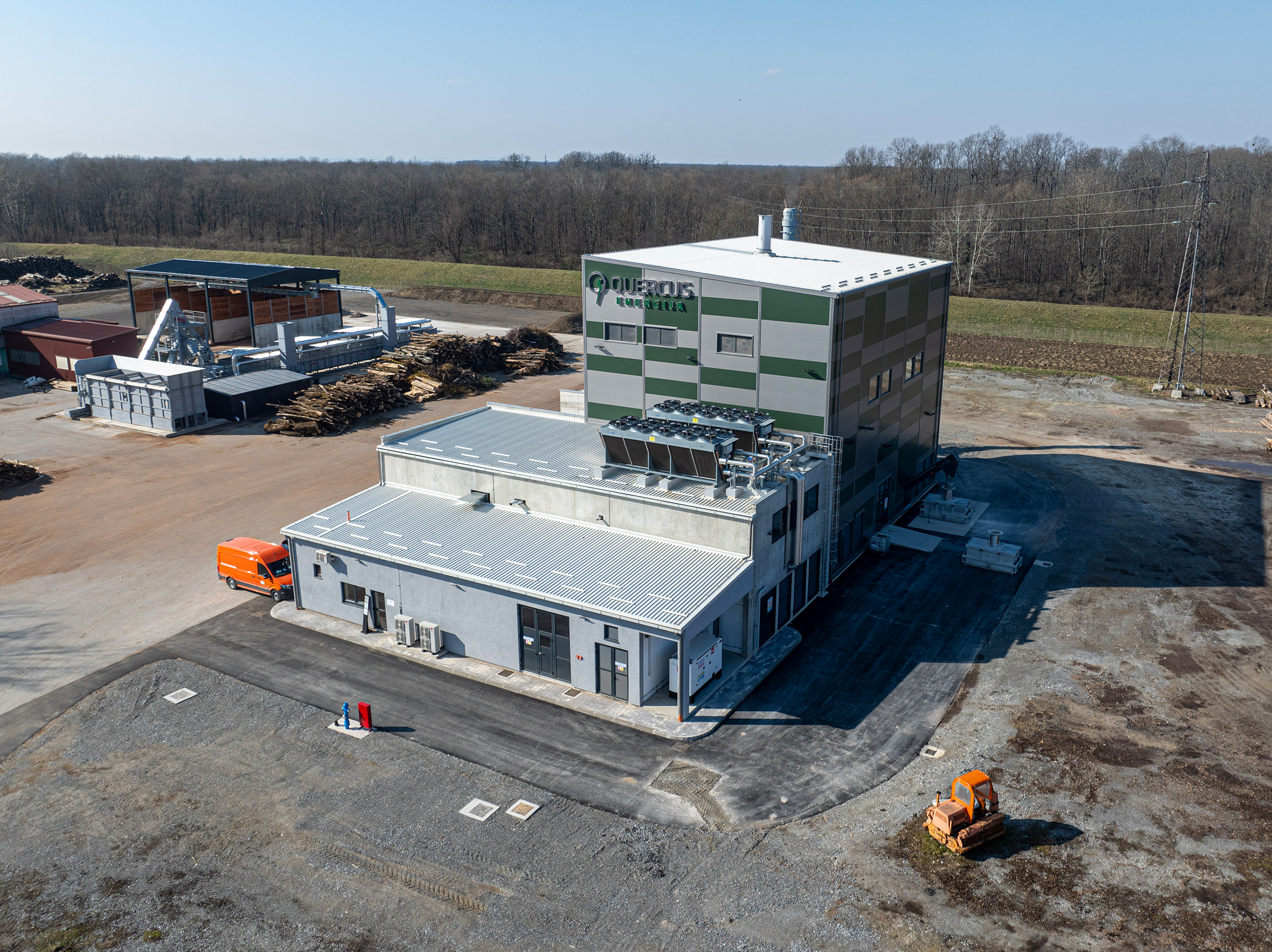
To produce heat energy, we installed a high-temperature heat pump, which uses waste heat from the process and the compressor system as a source. A stratified storage tank covers peak loads and ensures stable operation even when demand changes suddenly.
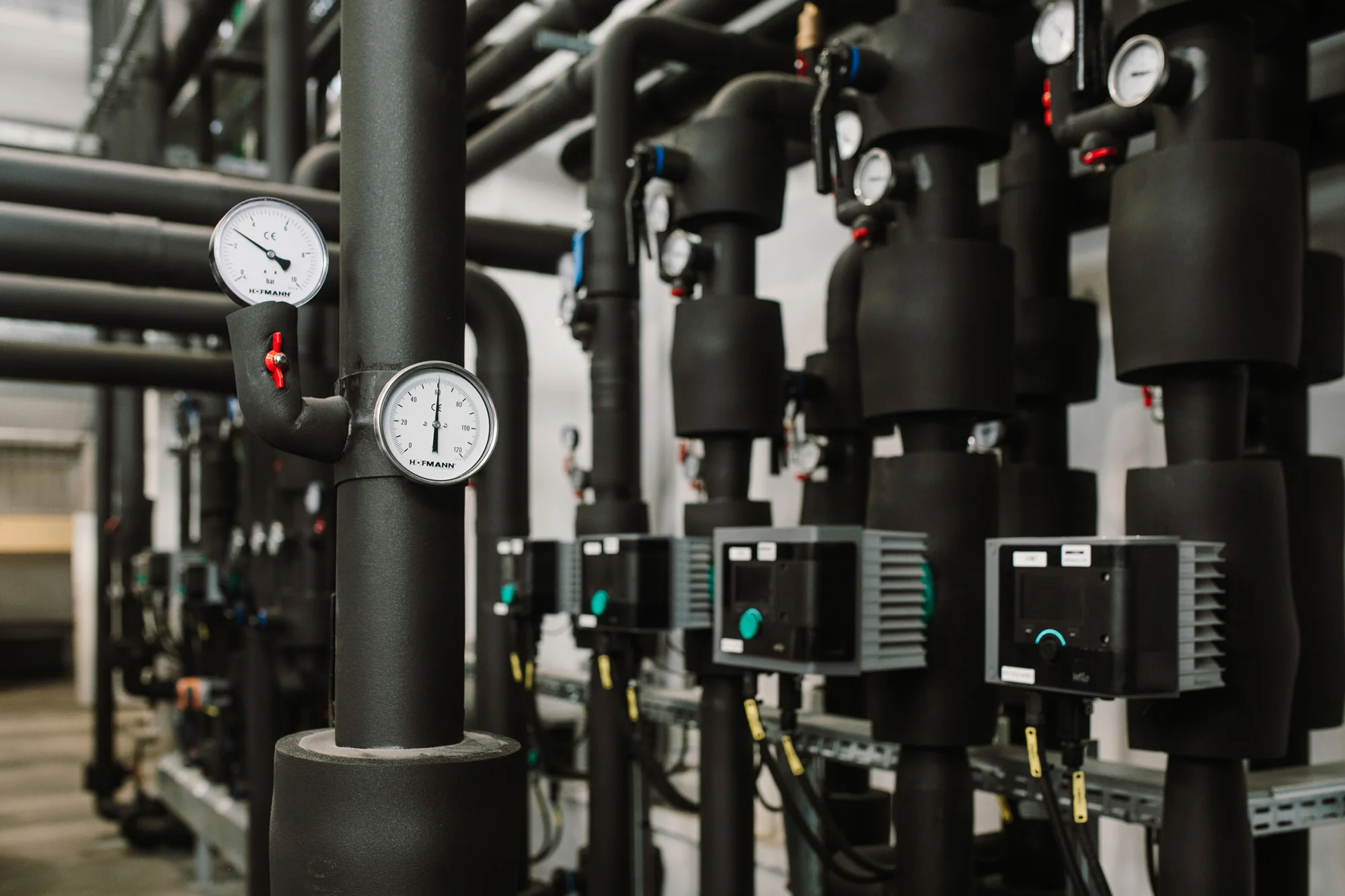
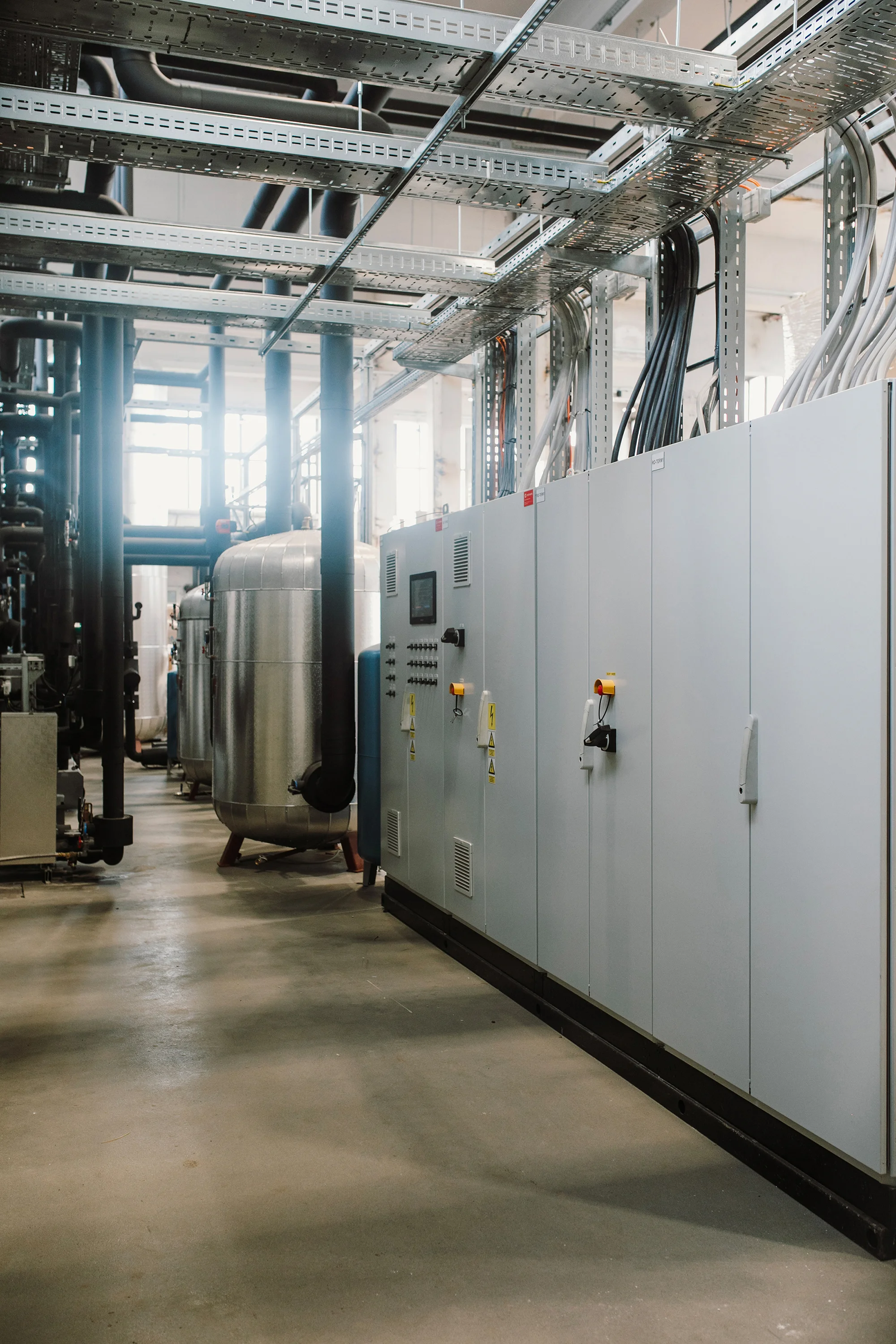
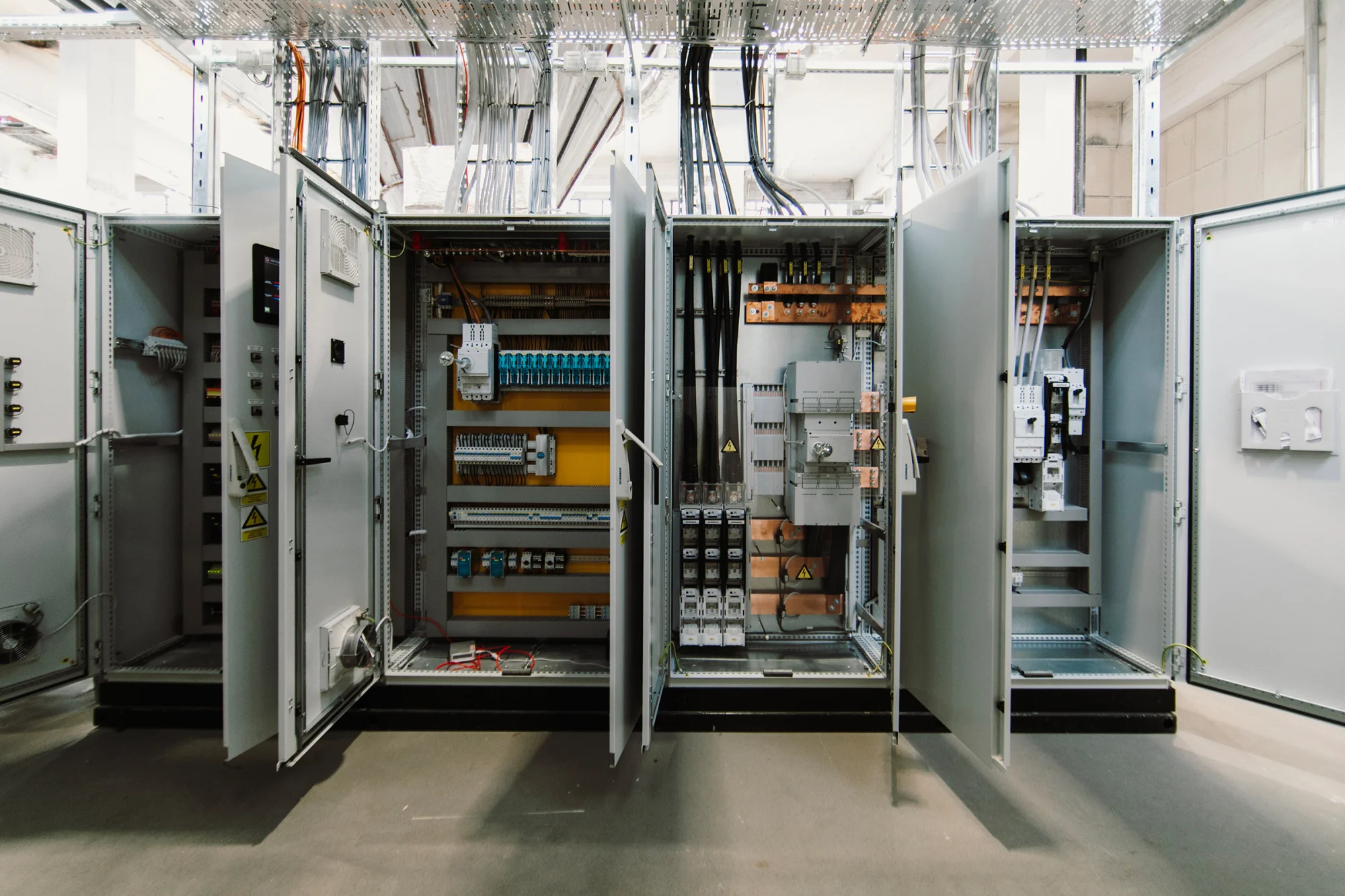
We connected everything to a central monitoring and control system — CNUS — that manages the heat pumps, air handling units and the heating system. The operator sees everything on one screen, can program operating modes, and the system itself optimizes consumption according to actual conditions.
Heat recovery air handling units (efficiency ~70%)
Air filtration: ePM1 50%
High temperature heat pump
Integration of waste heat from the process and the compressor system
Accumulation (stratification) tank
Central monitoring and control system (CNUS)
Remote monitoring and programming of operating modes